Category Neighborhoods & Suburbs

Profiles of Chicago-area suburbs, neighborhoods, and subdivisions, from village basics to individual communities. Built to answer the question every mover asks: what is it actually like to live there?

Roseland, by the Numbers: More Houses Sold in 2025 Than in Any Other Chicago Community Area, a Median Up From $70,000 to $144,000, and 15 Percent of Purchases Resold Within Two Years

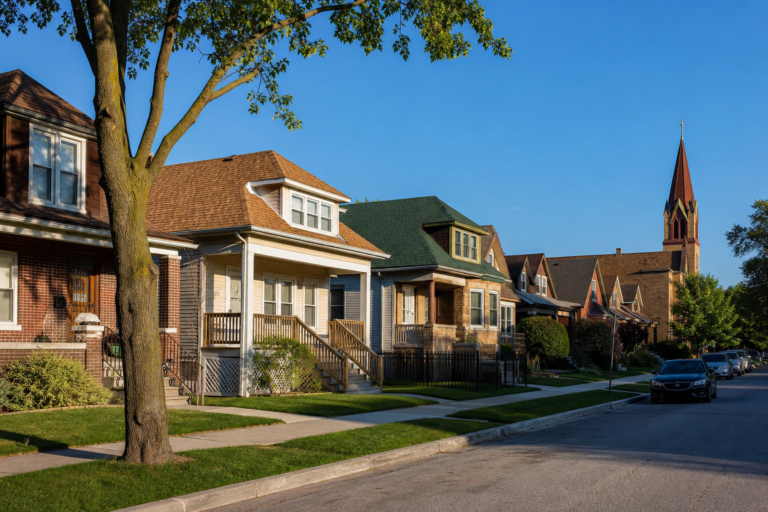
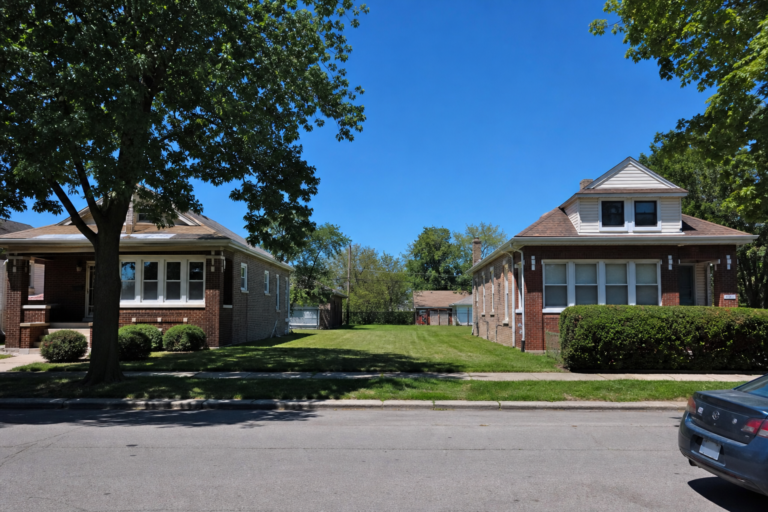
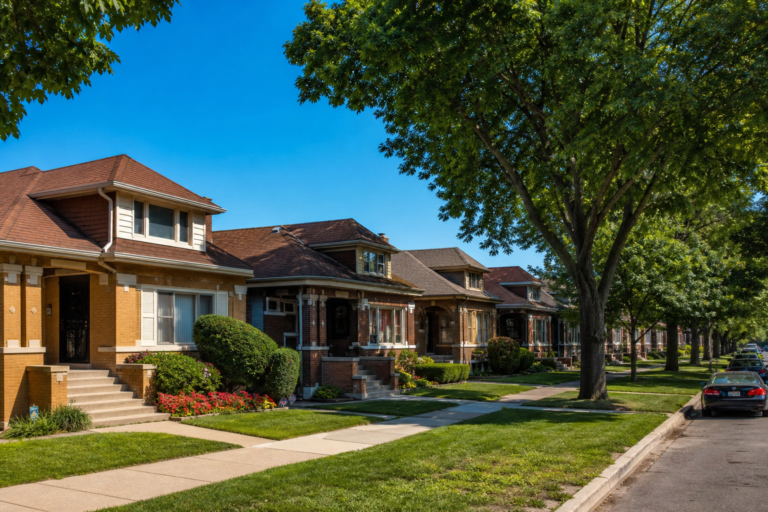
Brick bungalows with front lawns along a tree-lined street on a sunny afternoon

More houses sold in Roseland in 2025 than in any other Chicago community area, 479, and their median price was $144,000, up from $70,000 in 2019, the seventh-largest rise among the 70 areas with enough sales to compare. Of the 2,819 homes bought in the Far South Side area from 2018 through 2022, 435 were sold again by their buyer within two years, 15 percent against 7 percent citywide.

Lower West Side, by the Numbers: House Prices Up 61 Percent on 32 Sales, No Market Signals Active, and More Two-to-Six-Flat Parcels Than in 2006

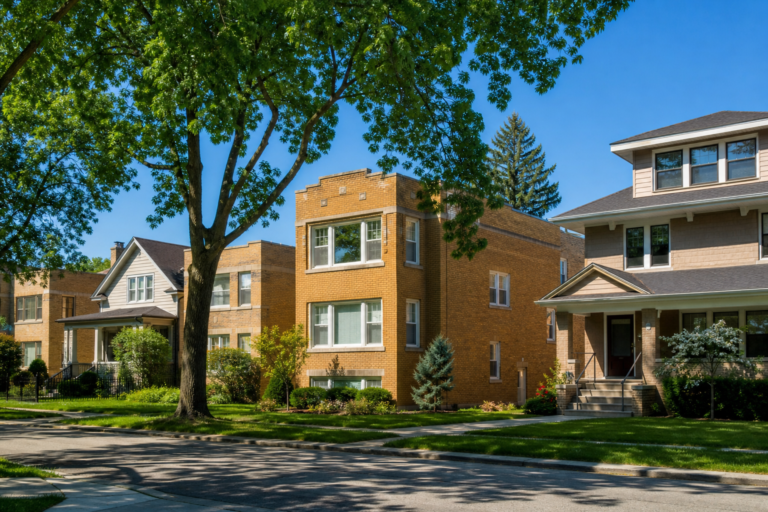
Brick two-flats and storefronts with colorful painted walls on a sunny morning

None of the five market signals in our analysis is active in the Lower West Side, the community area that includes Pilsen. Its median house sold for $523,750 in 2025, up 61 percent from 2019, on 32 sales. Two-to-six-flats are just over half of what sells there, and their median rose 34 percent against 62 percent citywide. The tax rolls show 2,960 two-to-six-flat parcels, 45 more than in 2006.

Logan Square, by the Numbers: No Market Signals Active, House Prices Up 45 Percent Since 2019, and 566 Two-to-Six-Flat Parcels Now Classed as Houses

Brick two-flats and a corner cafe with sidewalk tables on a sunny afternoon

None of the five market signals in our analysis is active in Logan Square, on Chicago’s Northwest Side, where the median house sold for $952,375 in 2025, up 45 percent from 2019. The tax rolls show 730 fewer two-to-six-flats there than in 2006, and 566 of the parcels that left the class are now classed as single-family houses, the fifth-most of any community area.

North Lawndale, by the Numbers: Four of Five Market Signals Active, One of Them Exactly at Its Bar, and New-Construction Permits Up From 27 to 104

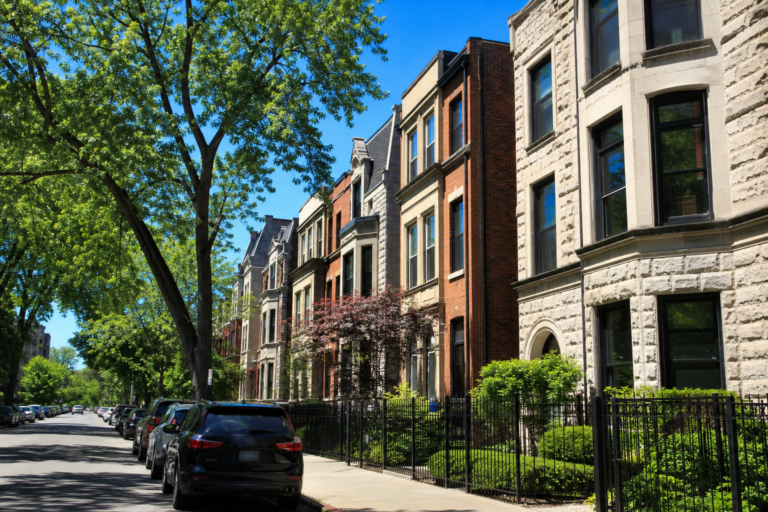
Greystone two-flats along a tree-lined boulevard on a sunny morning

North Lawndale, on Chicago’s West Side, is one of three community areas where four of the five market signals in our analysis are active, and it reached four only on the September reading. Its median house price in 2025, $168,000 on 53 sales, is exactly 1.60 times the 2019 median, which is the bar. New-construction permits went from 27 in 2018–19 to 104 in 2024–25, and companies bought 29.2 percent of the homes sold in 2024 and 2025.

Suburban Cook County Recorded 22,092 Births in 2023, 20.7 Percent Fewer Than in 2015 — and Its Fertility Rate Fell in All Four Districts

A colorful suburban playground with a stroller by a bench on a sunny morning

The Cook County Department of Public Health’s birth file, which excludes Chicago: 22,092 births in suburban Cook County in 2023, 20.7 percent fewer than in 2015, and a general fertility rate down from 58.2 to 46.2 per 1,000 women aged 15 to 44. Every health district fell, the South District most; 104 of 122 suburbs recorded fewer births, including all ten with the most.

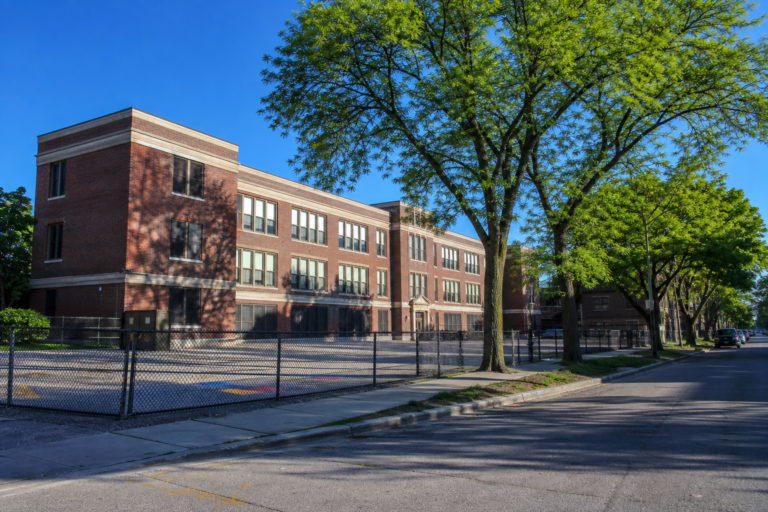
126 of Chicago’s 523 District-Run Schools Enrolled Fewer Than 250 Students in Fall 2026. In Fall 2016, 56 of 527 Did.

An empty Chicago classroom with rows of desks in warm morning light

Eleven falls of CPS’s own 20th-day files: district-run schools under 250 students went from 56 to 126, 24 percent of the district’s schools, while the median school shrank from 498 students to 378. Ten traditional schools crossed under the line in fall 2026, five crossed back over, and five schools with Acero campus names joined the district-run list.

Englewood, by the Numbers: The Median House Went From $32,341 to $115,000, and 358 Two-to-Six-Flat Parcels Are Now Classed as Vacant Land

Illustration of an Englewood block of brick and frame houses with deep porches, a corner community garden, and the Green Line el in the distance

Englewood’s median house sold for $32,341 in 2019, the lowest of the 70 Chicago community areas with enough sales to compare, and $115,000 in 2025, the second-largest rise. Of the 3,030 parcels classed as two-to-six-flats there in 2006, 588 have left the class, and 358 of those are now classed as vacant land. Rebuilt September 30, 2026 on the county’s updated sales file.

Pullman, by the Numbers: The Median House Went From $68,900 to $178,000 on 63 Sales, and 15 Percent of Purchases Were Resold Within Two Years

Illustration of historic Pullman rowhouses with the old factory clock tower behind them and rail-corridor construction cranes in the distance

Pullman’s median house sold for $68,900 in 2019 and $178,000 in 2025, the fourth-largest rise among the 70 Chicago community areas with enough sales to compare, on 63 sales. Of the 423 homes bought in the Far South Side area from 2018 through 2022, 63 were sold again by their buyer within two years, 15 percent against 7 percent citywide. Rebuilt September 30, 2026 on the county’s updated sales file.

Avondale, by the Numbers: House Prices Up 59 Percent Since 2019, No Market Signals Active, and 142 Two-to-Six-Flat Parcels Now Classed as Houses

Illustration of an Avondale street of brick bungalows and two-flats with a corner tavern and the Blue Line passing behind the rooftops

Avondale’s median house sold for $437,500 in 2019 and $694,500 in 2025, up 59 percent against 39 percent citywide, and none of the five market signals in our analysis is active in the Northwest Side area. Of the 193 two-to-six-flats that left the Assessor’s count there since 2006, 142 are now classed as single-family houses. Rebuilt September 30, 2026 on the county’s updated sales file.

Moving HereLiving HereCity in MotionNeighborhoods & Suburbs
About · Editorial Policy · Our Data & Methods · Privacy · Terms · Contact
© 2026 Keep Chicagoland Moving · A TAK Marketing, LLC publication · Part of the fabulous Omnishun information systems