Category Neighborhoods & Suburbs

Profiles of Chicago-area suburbs, neighborhoods, and subdivisions, from village basics to individual communities. Built to answer the question every mover asks: what is it actually like to live there?

Irving Park, by the Numbers: 264 Former Two-to-Six-Flats Now Classed as Houses, the Sixth-Most in Chicago, and the Median House Up 49 Percent to $670,900

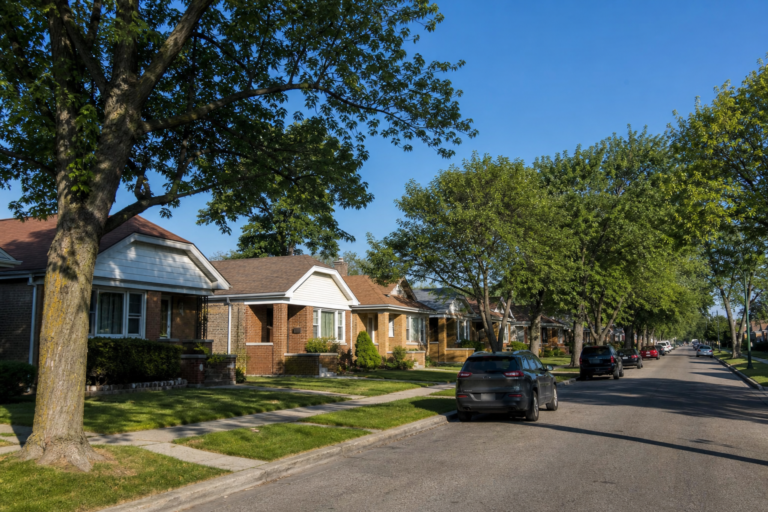
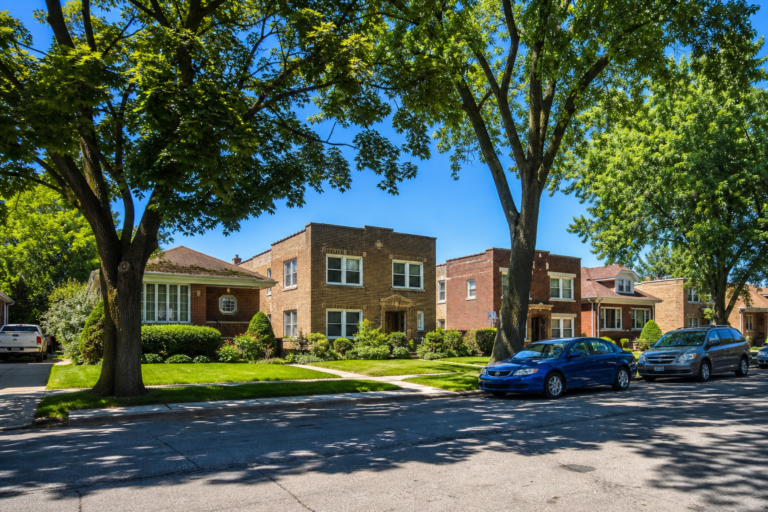
Brick bungalows and two-flats with front lawns on a level, tree-lined street

Of the 324 two-to-six-flat parcels that left the class in Irving Park, on Chicago’s Northwest Side, since 2006, 264 are now classed as single-family houses, the sixth-most of any Chicago community area, after North Center, Lake View, West Town, Lincoln Park and Logan Square. The tax rolls counted 3,342 two-to-six-flats there in 2006 and 3,172 in 2026, and 154 other parcels joined the class. The median house sold for $670,900 in 2025, up 49 percent from $450,000 in 2019.

Hyde Park, by the Numbers: The Median House Rose 17 Percent Since 2019, the Second-Smallest Rise in Chicago, Yet Gained $99,000, Against $90,000 for the Citywide Median

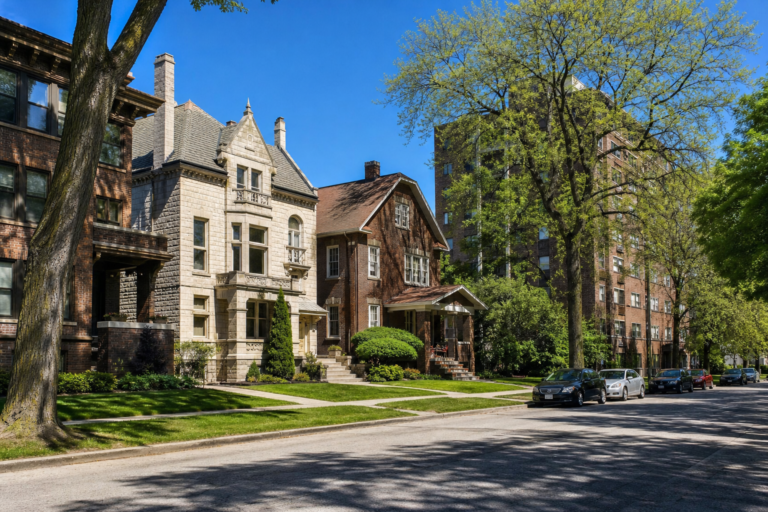
Greystone and brick rowhouses with bay windows under tall shade trees on a level street

The median house in Hyde Park, on Chicago’s South Side, sold for $699,000 in 2025, up 17 percent from $600,000 in 2019, the second-smallest rise among the 70 community areas with enough house sales to compare, after the Near West Side. Citywide the median house rose 39 percent. Condominiums are most of what sells here: 214 of the 263 home sales in 2025, at a median of $230,000.

Rogers Park, by the Numbers: New-Construction Permits Fell From 25 to 7, the Second-Steepest Drop Among Chicago Areas With 20 or More, and the Median Condominium Rose 46 Percent to $226,000

Brick courtyard apartment buildings and three-flats on a level, tree-lined street

Rogers Park, at the northeast corner of Chicago, recorded seven new-construction permits in 2024–25, down from 25 in 2018–19, a 72 percent drop, the second-steepest of the 42 areas with at least 20 permits in the earlier period, after O’Hare. Condominiums are most of what sells: 357 of the 442 home sales in 2025. Their median price was $226,000, up 46 percent from $155,000 in 2019, the eighth-largest rise among the 37 areas with enough condominium sales to compare.

Uptown, by the Numbers: The Median Two-to-Six-Flat Nearly Doubled to $1.23 Million, and Company Buyers Fell From 15.5 to 6.6 Percent, the Fourth-Largest Drop in Chicago

Brick two-flats and three-flats with enclosed front porches on a level, tree-lined street

The median two-to-six-flat in Uptown, on Chicago’s Far North Side, sold for $1,230,000 in 2025, 1.91 times the $645,500 of 2019. That is the 14th-largest rise of the 46 areas with enough sales to compare, and the one market signal of the five in our analysis that is active here. Companies bought 6.6 percent of all homes sold in 2024–25, down from 15.5 percent in 2018–19, the fourth-largest drop in the city.

Edgewater, by the Numbers: Company Buyers Fell From 20.4 to 8.4 Percent of Home Sales, the Third-Largest Drop in Chicago, and the Median Condominium Rose to $235,000

Brick courtyard buildings on a level, tree-lined street with a high-rise condominium tower beyond

Companies bought 8.4 percent of the homes sold in Edgewater, on Chicago’s Far North Side, in 2024–25, down from 20.4 percent in 2018–19, the third-largest drop of the 75 areas measured, after the Loop and the Near North Side. Condominiums were 558 of the 652 home sales in 2025, and their median price rose 25 percent from 2019, from $188,190 to $235,000.

Near North Side, by the Numbers: 1,836 Condominium Sales in 2025, the Most in Chicago, and Company Buyers Down From 21.6 to 8.6 Percent of Home Sales

Brick and limestone rowhouses on a level street with condominium towers rising behind them

More condominiums sold on the Near North Side in 2025 than in any other Chicago community area, 1,836 of the 1,926 home sales there, at a median price of $375,000, up 25 percent from 2019. Companies bought 8.6 percent of the homes sold in 2024–25, down from 21.6 percent in 2018–19, the second-largest drop of the 75 areas measured, after the Loop.

West Town, by the Numbers: 1,108 Fewer Two-to-Six-Flats Than in 2006, the Largest Drop in Chicago, 530 Now Classed as Condominiums, and New-Construction Permits Down From 285 to 152

Brick two-flats and three-flats on a level street with a brick corner building and its awning

West Town lost more two-to-six-flats than any other Chicago community area over twenty years: the tax rolls counted 6,524 in 2006 and 5,416 in 2026, 1,108 fewer. Of the 1,347 that left the class, 647 are now classed as single-family houses and 530 as condominiums, the most of any area, while 239 other parcels joined it, the second-most after Humboldt Park. New-construction permits fell from 285 in 2018–19 to 152 in 2024–25.

Lake View, by the Numbers: 1,030 Fewer Two-to-Six-Flats Than in 2006, 683 Now Classed as Houses and 289 as Condominiums, and the Second-Most Condominium Sales in Chicago

Brick two-flats and three-flats with bay windows on a level street, elevated train tracks beyond

Lake View’s tax rolls counted 3,877 two-to-six-flats in 2006 and 2,847 in 2026, 1,030 fewer, the second-largest drop of any Chicago community area after West Town. Of the 1,113 that left the class, 683 are now classed as single-family houses and 289 as condominiums, while 83 other parcels joined it. The median house sold for $1,575,000 in 2025, the third-highest in the city, and 1,262 condominiums sold, the most of any area but the Near North Side.

Lincoln Park, by the Numbers: Its Two-to-Six-Flat Count Fell 35 Percent Since 2006, the Steepest Drop Among 50 Community Areas, and Owners Filed the Most Property-Tax Appeals per House

Limestone greystones and brick rowhouses with front gardens on a shaded street

Lincoln Park’s tax rolls counted 2,503 two-to-six-flats in 2006 and 1,639 in 2026, 35 percent fewer, the steepest drop among the 50 community areas that had 500 or more in 2006. Of the 940 that left the class, 607 are now classed as single-family houses and 230 as condominiums, while 76 other parcels joined it. Owners of 48.5 of every 100 houses appealed their assessments to the Board of Review for tax year 2025, the highest rate of any community area and nearly three times the citywide rate.

North Center, by the Numbers: 918 Two-to-Six-Flats Are Now Classed as Single-Family Houses, the Most of Any Chicago Community Area, and the Median House Sold for $1.62 Million

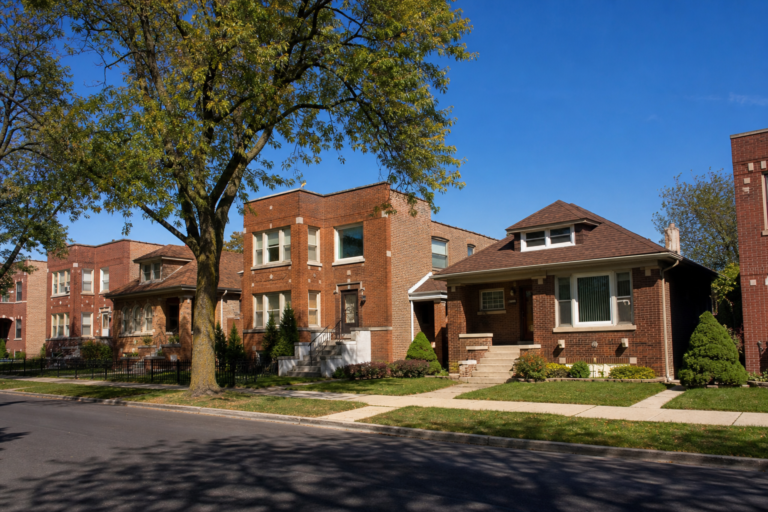
Brick two-flats beside wide single-family houses with porches on a tree-lined street

Of the 3,238 two-to-six-flats on North Center’s tax rolls in 2006, 918 are now classed as single-family houses, more than in any other Chicago community area and 28 percent of the 2006 count, also the highest share. The rolls show 2,225 two-to-six-flats in 2026, 31 percent fewer than in 2006. North Center’s median house sold for $1,622,500 in 2025, the highest of the 72 community areas with 20 or more house sales.

Moving HereLiving HereCity in MotionNeighborhoods & Suburbs
About · Editorial Policy · Our Data & Methods · Privacy · Terms · Contact
© 2026 Keep Chicagoland Moving · A TAK Marketing, LLC publication · Part of the fabulous Omnishun information systems