Kenwood, by the Numbers: The Median Condominium Rose 10 Percent Since 2019, the Second-Smallest Rise Among Chicago Areas With Enough Condo Sales, While the Median House Rose 44 Percent to $755,000

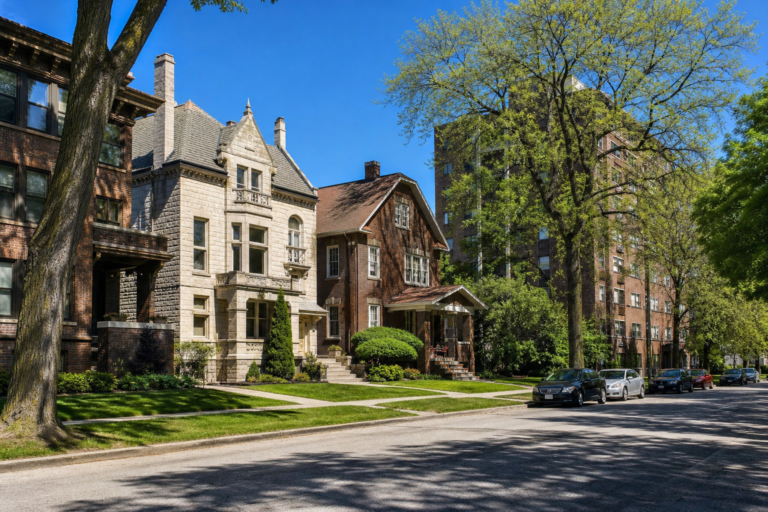
Large brick and stone houses beside a mid-rise condominium building on a tree-lined street

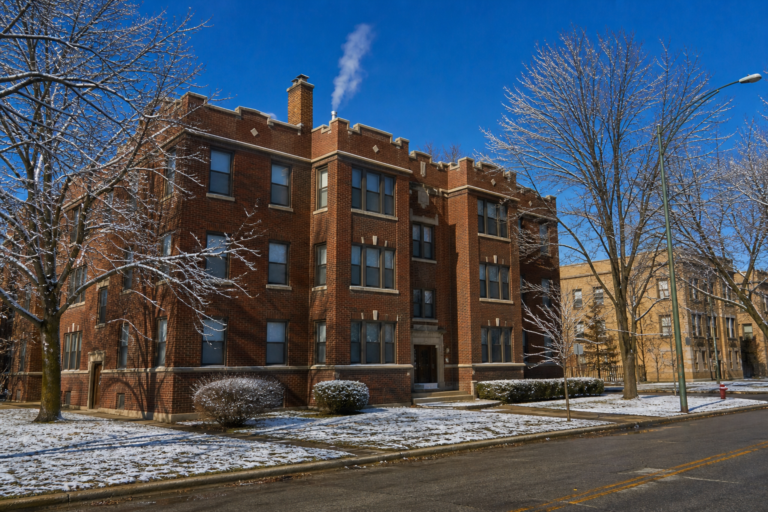
The median condominium in Kenwood, on Chicago’s South Side, sold for $235,000 in 2025, up 10 percent from $214,500 in 2019, the second-smallest rise among the 37 community areas with enough condominium sales to compare, after the Loop. Condominiums are two-thirds of what sells: 99 of the 150 home sales in 2025. The median house rose 44 percent, from $525,000 to $755,000.

Avalon Park, by the Numbers: Company Buyers Rose From 23.3 to 31.2 Percent of Home Sales, the Third-Largest Rise Among 75 Chicago Areas, and 14.5 Percent of Homes Were Resold Within Two Years

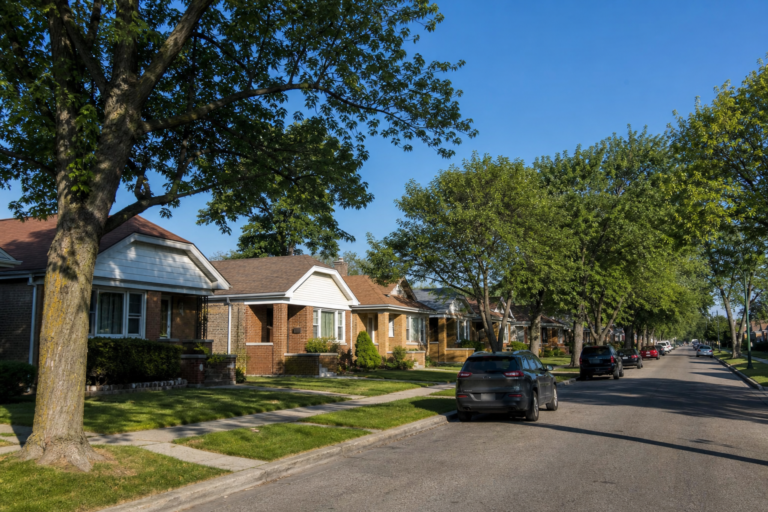
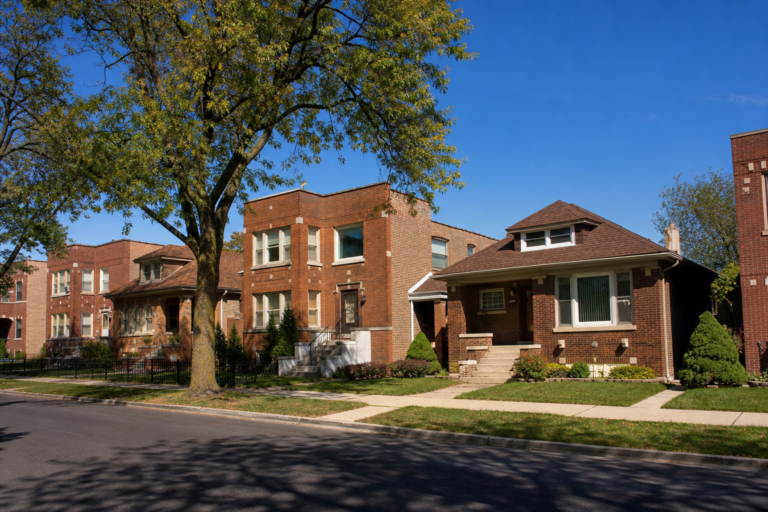
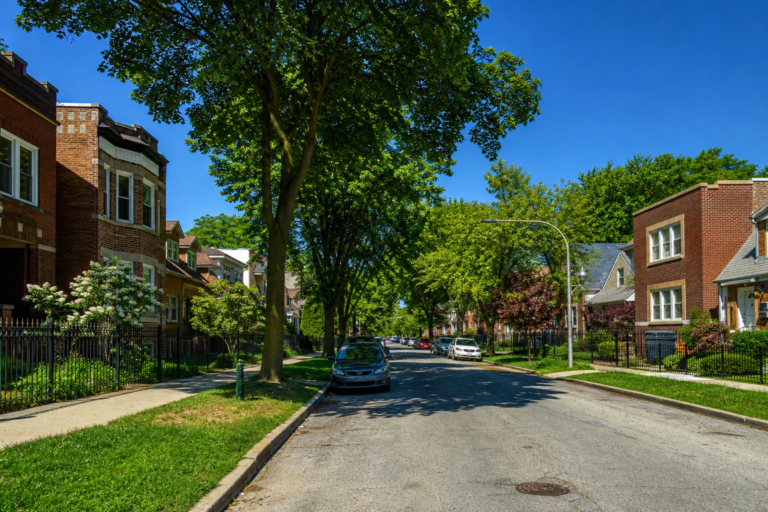
Brick bungalows with front lawns and parkway trees on a level street

Companies bought 31.2 percent of the homes sold in Avalon Park, on Chicago’s Far Southeast Side, in 2024–25, up from 23.3 percent in 2018–19, the third-largest rise of the 75 areas measured and the one market signal active here of the two that could be measured. Of the 849 homes bought from 2018 through 2022, 123 were sold again by their buyer within two years, 14.5 percent, the eighth-highest rate among the 73 areas with at least 300 purchases.

Calumet Heights, by the Numbers: 18.0 Percent of Homes Bought From 2018 Through 2022 Were Resold by Their Buyer Within Two Years, the Highest Rate Among Chicago Areas With 300 or More Purchases

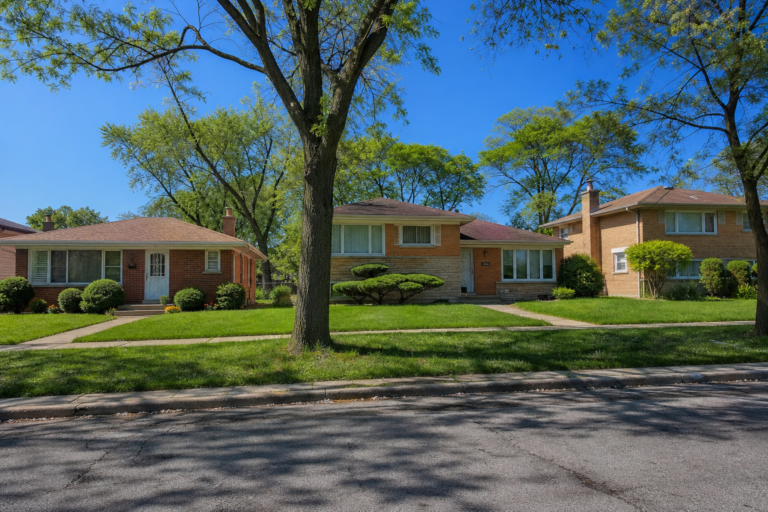
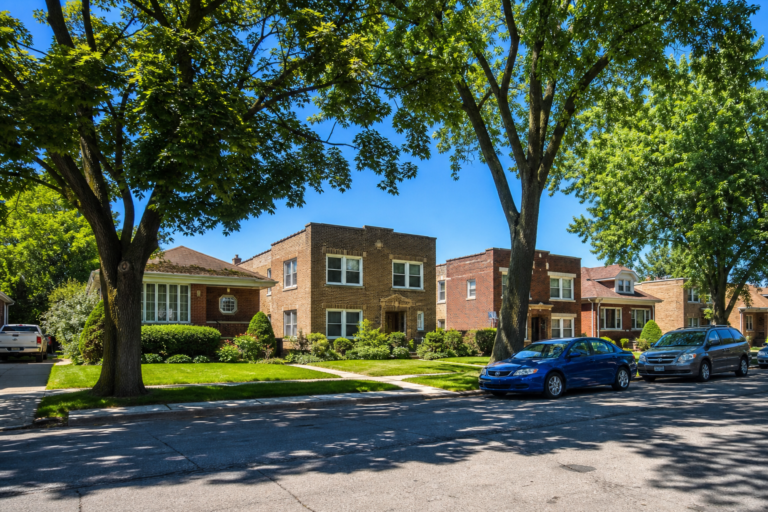
Brick raised ranch and split-level houses with wide lawns on a level street

Of the 929 homes bought in Calumet Heights, on Chicago’s Far Southeast Side, from 2018 through 2022, 167 were sold again by their buyer within two years, 18.0 percent, the highest rate among the 73 community areas with at least 300 purchases. Two market signals in our analysis are active here: the median house rose from $136,250 in 2019 to $226,000 in 2025, 1.66 times, and companies bought 28.7 percent of the homes sold in 2024–25, up from 20.9 percent in 2018–19, the fourth-largest rise in the city.

Washington Park, by the Numbers: The Median Two-to-Six-Flat Rose From $215,000 to $562,500, the Fourth-Largest Rise in Chicago, and Companies Bought 35.1 Percent of Homes

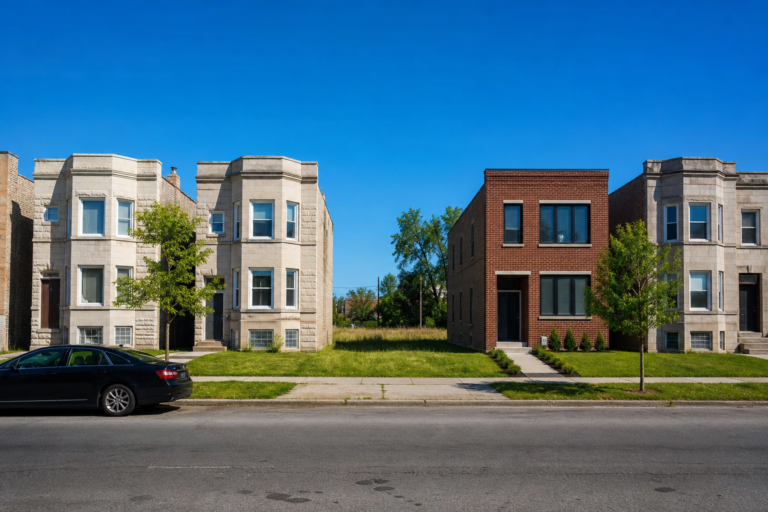
Greystone two-flats beside a new infill house and a grassy lot on a level street

The median two-to-six-flat in Washington Park, on Chicago’s South Side, sold for $562,500 in 2025, 2.62 times the $215,000 of 2019, the fourth-largest rise among the 46 areas with enough sales to compare. New-construction permits more than doubled, from 20 in 2018–19 to 43 in 2024–25; those are the two market signals active here, of the three that could be measured. Companies bought 35.1 percent of the homes sold in 2024–25, the third-highest share of any area, after Burnside and South Shore.

Belmont Cragin, by the Numbers: 75 More Two-to-Six-Flats Than in 2006, the Second-Largest Gain in Chicago, and the Median Condominium Up 67 Percent, the Third-Largest Rise

Brick two-flats beside bungalows with chain-link fences and small lawns on a level street

The tax rolls count 3,845 two-to-six-flats in Belmont Cragin, on Chicago’s Northwest Side, in 2026, 75 more than in 2006, the second-largest gain of any community area after Portage Park: 138 parcels joined the class and 63 left it. The median condominium sold for $200,000 in 2025, up 67 percent from $120,000 in 2019, the third-largest rise among the 37 areas with enough condominium sales to compare, on 30 and 37 sales.

Portage Park, by the Numbers: 93 More Two-to-Six-Flats Than in 2006, the Largest Gain in Chicago, and New Business Licenses Up From 92 to 112, the One Active Market Signal

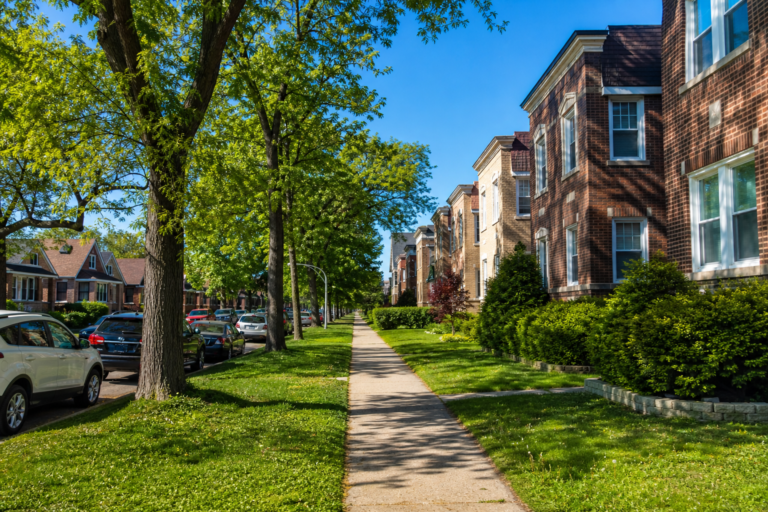
Brick bungalows and two-flats with front lawns on a level, tree-lined street

The tax rolls count 3,490 two-to-six-flats in Portage Park, on Chicago’s Northwest Side, in 2026, 93 more than in 2006, the largest gain of any community area: 183 parcels joined the class over the twenty years and 90 left it. First-time business licenses rose from 92 in 2019 to 112 in 2025, up 22 percent, the one market signal of the five in our analysis that is active here.

Lincoln Square, by the Numbers: Two Market Signals Fell Just Short, Company Buyers Up 4.8 Points and New Business Licenses Up 14 Percent, and 260 Former Flats Now Classed as Houses

Brick bungalows and two-flats with front lawns on a level, tree-lined street

Two of the five market signals in our analysis came within a point of the bars that would make them active in Lincoln Square, on Chicago’s Far North Side: companies bought 10.9 percent of the homes sold in 2024–25, up 4.8 points from 6.1 percent in 2018–19 against a bar of five, and first-time business licenses rose 14 percent, from 109 to 124, against a bar of 15. Of the 355 two-to-six-flat parcels that left the class since 2006, 260 are now classed as single-family houses, the seventh-most of any community area.

Armour Square, by the Numbers: Its Cermak-Chinatown Stop Drew 4,024 Weekday Entries in 2026 Against 3,660 in 2019, More Than Before the Pandemic

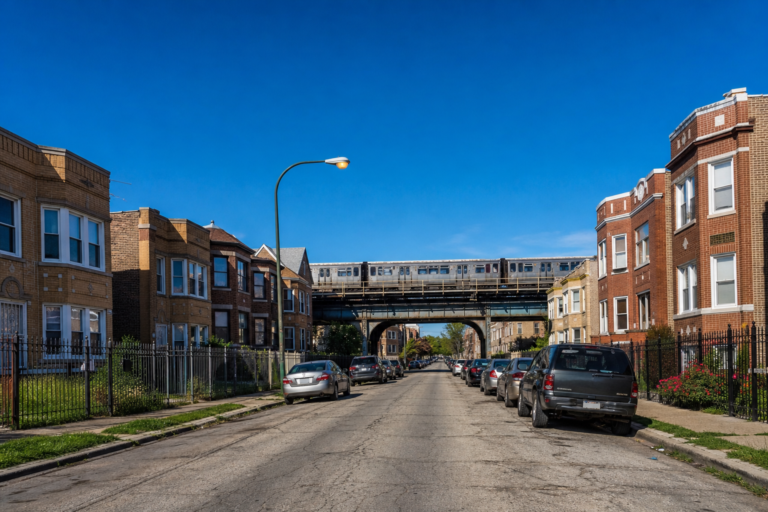
An elevated train platform above a level street of brick row houses and two-flats

Cermak-Chinatown, the Red Line station in Armour Square on Chicago’s South Side, averaged 4,024 weekday entries in January through May 2026, against 3,660 in the same months of 2019. It and Morgan, on the Green and Pink Lines, are the two stations in the system above their 2019 counts; systemwide, weekday entries were 62 percent of 2019’s. Too few homes sell in Armour Square to compare prices: 50 sales in 2025, and fewer than 20 of each type in 2019.

South Lawndale, by the Numbers: The Median House Rose From $135,000 to $249,900, the One Active Market Signal, and the Area Has 41 More Two-to-Six-Flats Than in 2006

Brick two-flats and cottages with iron fences and small front gardens on a level street

The median house in South Lawndale, the West Side community area that includes Little Village, sold for $249,900 in 2025, 1.85 times the $135,000 of 2019, the 12th-largest rise among the 70 areas with enough house sales to compare and the one market signal of the five in our analysis that is active here. The tax rolls count 5,196 two-to-six-flats in South Lawndale in 2026, 41 more than in 2006.

Moving HereLiving HereCity in MotionNeighborhoods & Suburbs
About · Editorial Policy · Our Data & Methods · Privacy · Terms · Contact
© 2026 Keep Chicagoland Moving · A TAK Marketing, LLC publication · Part of the fabulous Omnishun information systems