Category Living Here

Where to eat, what to do, and what’s worth the trip across Chicago and the suburbs. Recommendations here are editorial picks; nobody pays for placement.

Chicago’s New-Arrivals Payment Ledger, as Filed: $639.6 Million Net Across 86 Vendors — and One Vendor Holds 62.6 Percent of It
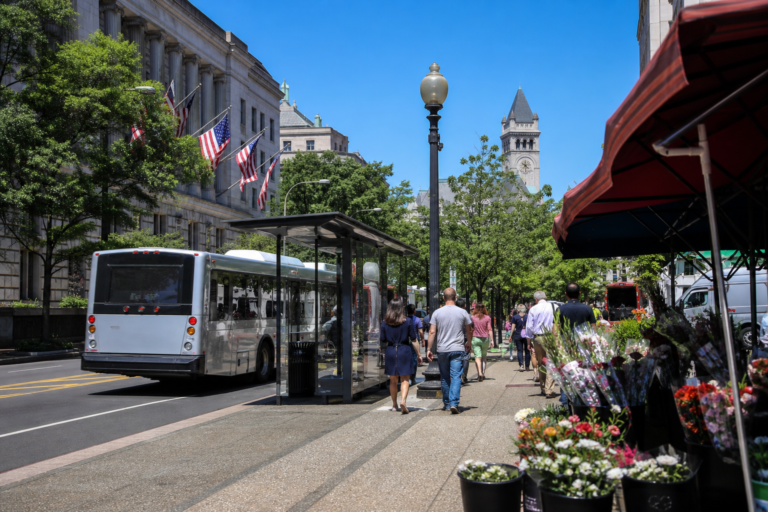
A city bus at a stop on a sunny downtown street

The city's own payment ledger for what its records call Migrant-related response costs, read whole and as filed: 4,206 lines netting 639.6 million dollars, checks October 2022 through April 2025, six funds (42 percent Corporate, 58 percent grants), 86 vendors with one - Favorite Healthcare Staffing - holding 62.6 percent of the net, and the fund-to-fund transfer bookkeeping quoted from the rows themselves. No position taken; every term the file's own.

Chicago’s TIF Decade, as the City Projects It: $9.75 Billion In, One in Five Districts Ending by 2026 — and One Anticipated to Run to 2058

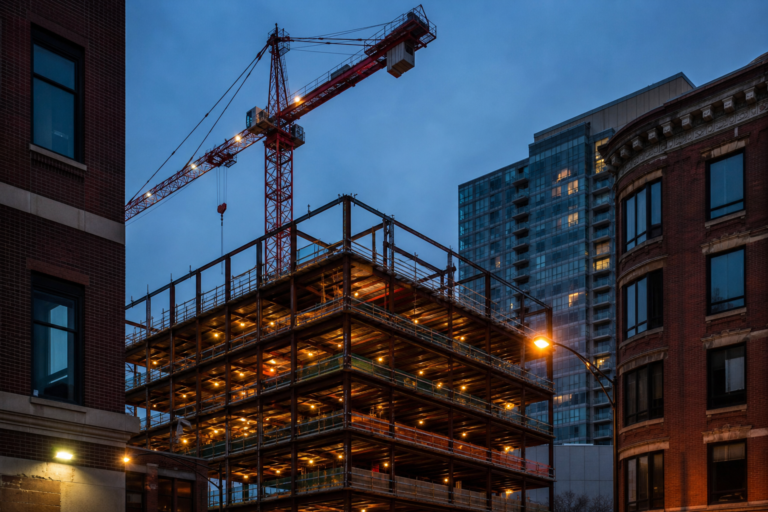
A construction crane over a steel frame on a Chicago commercial corridor at dusk

The city wrote down its TIF decade: the October 2025 projections report, read whole as data. $9.75 billion of projected revenue across 108 districts, $4.42 billion of projected obligations - the biggest pointing at the CTA's Red Line extension - $2.51 billion of carried balances, one in five districts with anticipated end dates by 2026, and one anticipated to run to 2058. Projections, dated, never actuals, categories never netted.

Chicago’s Own Empty-Seats Ledger: 3,857 Vacancies on the August 31 Snapshot — and POLICE OFFICER Alone Accounts for 732

Rows of empty desks in a municipal office with tall windows

Chicago publishes its own empty-seats file monthly from its personnel system. The August 31 snapshot: 1,310 vacancy-carrying position lines, 3,857 vacancies beside 22,464 filled seats on those same lines - POLICE OFFICER alone at 732, one fire-recruit line at 166, and two-thirds of the file one empty chair at a time. No citywide rate, because the file lists only lines with vacancies - a boundary this page keeps on every number.

Chicago Reads Its Sewers Weekly: Four Viruses, Seven Sites, 237 Weeks — and Every Virus Sat at Minimal in the Newest Week on the File

A manhole cover in a sunlit brick-paved street

Since February 2022 Chicago has measured respiratory viruses in its sewers at seven sewershed sites, weekly. Read whole - 6,692 rows, 237 weeks - the file shows four very different ledgers: SARS-CoV-2 with 51 Very High weeks, Influenza B with exactly one, RSV peaking the week that straddled New Year 2024 - and every virus at Minimal in the newest week. Concentrations, never illness counts; every caveat quoted from the file itself.

What Chicago’s TIF Deals Promise, and What Their Reports Show So Far: 1,688 Jobs Projected on the 2025 Reports, 543 in the Actual Column

A mid-rise building under construction on a Chicago commercial street

The TIF annual reports now publish a deal-by-deal jobs scorecard: projections beside actuals for every subsidized redevelopment agreement. Read whole - 110 rows, 2022-2025 - the 2025 reports project 1,688 permanent jobs with 543 in the actual column so far, one agreement promised 70 jobs and reports 130, another promised zero and reports 59, and one projection reads exactly 2.5 jobs, printed as filed. Snapshots, not verdicts - and the file cuts both ways.

Chicago Measures Its Own Air Now: 286 Sensors, 2,544,089 Hourly Readings — and 96 Percent of Its 100-Plus PM2.5 Hours Landed on Two July Dates

An air-quality sensor mounted on a light pole on a hazy Chicago street

Chicago runs its own air-sensor network now: 286 sensors carrying all 77 community-area names, 2,544,089 hourly readings since July 2025, read whole. The PM2.5 record book belongs to two UTC dates - July 16 and 17, 2026, with a 486.8 microgram hour and 96 percent of every 100-plus sensor-hour ever logged - beside an ordinary record where such hours are 0.45 percent of everything. Not for regulatory purposes, says the file itself, and this page keeps every caveat.

8 Chicago Height Records, by the Record: The City That Raised Its Streets, a Footprint File Where Two Stories Is King — and a Stories Column That Tops Out at 110

Brick two-flats in the foreground with the Chicago skyline rising behind

Chicago's height story, with receipts: the streets themselves were raised four to five feet on average in the 1850s, a building among the world's first skyscrapers went up - and came down - at LaSalle and Adams, the Willis Tower held the world title for nearly 25 years, and the city's own footprint file crowns a different king: two stories, 198,439 times. Eight vertical records, every one traceable.

Does Chicago’s Alt-Fuel File Mean a Plug Is Always Near? 350 Public Electric Stations, Just 291 Fast Ports — and the Columns That Decide

An electric car plugged into a public charging station on a Chicago street at dusk

Chicago's alternative-fuel file lists 398 stations, and the short answer is direct: 350 public electric stations marked Available, 283 of them posted 24 hours. The longer answer lives in the columns - 1,043 Level 2 ports against just 291 fast ports, 26 network labels, four ZIP codes holding 38 percent of everything, and a last-confirmed date on nearly every row. A decision-guide read of the whole file.

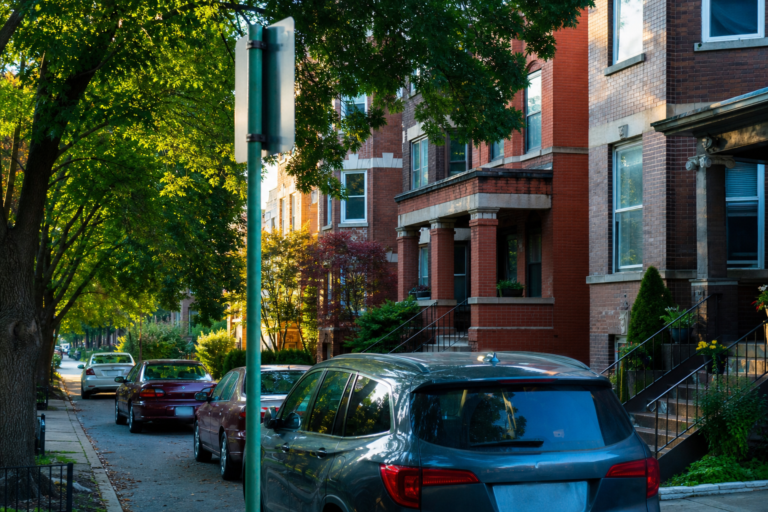
Chicago Has 1,937 Legislated Parking Zones. The Median One Is Two Block-Sides Long — and 1,382 Segments Hold Zone Rights With No Signs for Their Zone

A Chicago side street lined with parked cars and a parking sign pole

Why does your block need a permit while the next street over doesn't? Chicago's residential permit parking is assembled from 1,937 active zones created by City Council legislation - and the file runs small: the median zone is two block-sides, 238 zones are a single segment, zone 383 sprawls to 653. One in seven active segments is an unsigned buffer where permit rights exist without that zone's signs, 17 percent of zone-street pairs cover one side only, and 503 segments sit rescinded. Prices and rules live with the City Clerk.

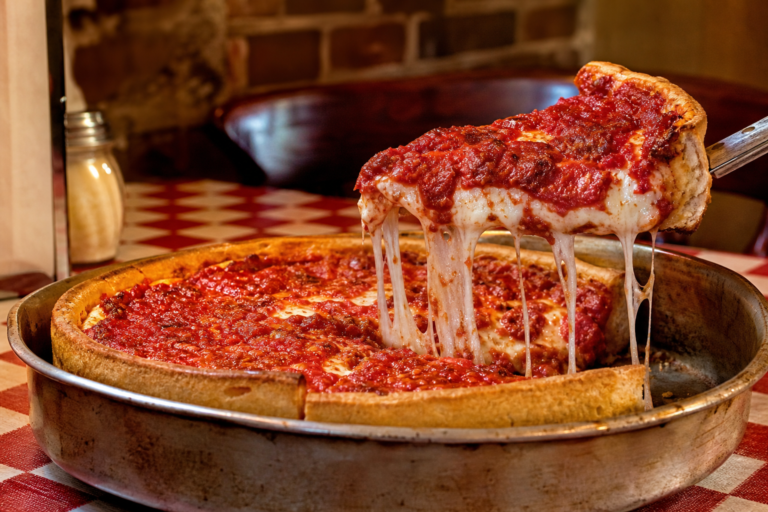
Chicago Deep Dish, by the Record: Born Fall 1943, With a Creator the Reference Work Never Names — and 2,445 Active Licenses With PIZZ in the Name

A deep dish pizza in a steel pan with a slice being lifted

Seven things about Chicago deep dish, each traced to a named source: a fall 1943 birth per the Encyclopedia of Chicago, an origin Uno's page credits to Ike Sewell while the reference work names three partners and no inventor, a 600-degree recipe, pizza in Chicago since the 1890s, a first Lou Malnati's that opened in Lincolnwood on St. Patrick's Day 1971, a Gino's East opened by two taxi drivers and a partner - and 2,445 active licenses with PIZZ in the name, counted by us. No pizza is ranked; no restaurant is recommended.

Moving HereLiving HereCity in MotionNeighborhoods & Suburbs
About · Editorial Policy · Our Data & Methods · Privacy · Terms · Contact
© 2026 Keep Chicagoland Moving · A TAK Marketing, LLC publication · Part of the fabulous Omnishun information systems