Chicago Deep Dish, by the Record: Born Fall 1943, With a Creator the Reference Work Never Names — and 2,445 Active Licenses With PIZZ in the Name
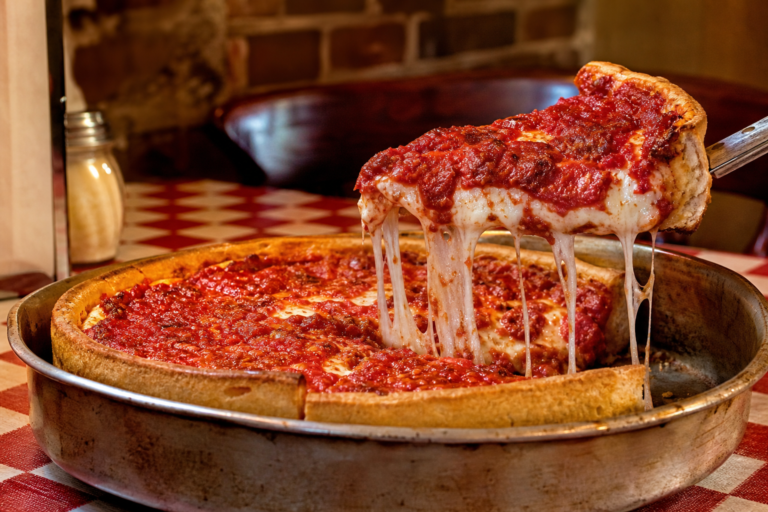
A deep dish pizza in a steel pan with a slice being lifted

Seven things about Chicago deep dish, each traced to a named source: a fall 1943 birth per the Encyclopedia of Chicago, an origin Uno's page credits to Ike Sewell while the reference work names three partners and no inventor, a 600-degree recipe, pizza in Chicago since the 1890s, a first Lou Malnati's that opened in Lincolnwood on St. Patrick's Day 1971, a Gino's East opened by two taxi drivers and a partner - and 2,445 active licenses with PIZZ in the name, counted by us. No pizza is ranked; no restaurant is recommended.
Chicago Ran a Speedometer Made of Buses for Eight Years: 3 a.m. Is 7.5 mph Faster Than 4 p.m., and the Loop at 5 p.m. Averages 13.9

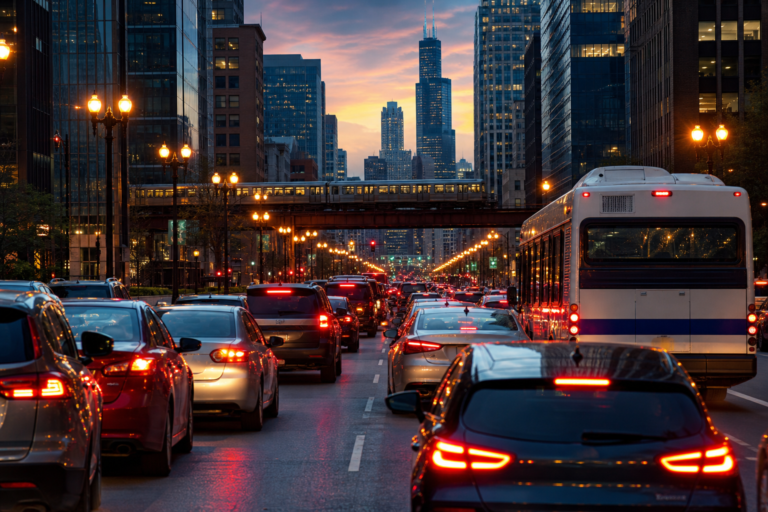
Slow rush-hour traffic with a bus on a wide Chicago arterial street at dusk

For eight years the city estimated arterial traffic speeds by analyzing GPS traces from CTA buses. The retired archive, read whole - 10,776,684 region-interval rows, 2018-2026: 3 a.m. averages 30.85 mph and the 4-5 p.m. hours tie at 23.33; the Loop is the slowest of 29 regions at 19.38 and Riverdale-Hegewisch the fastest at 33.41; the Loop at 5 p.m. averages 13.9. Every figure is an average of the tracker's estimates, not a driver's speed.

The CTA’s Own Daily Ledger: 11.06 Billion Boardings Since 2001, a Two-Million-Ride Day in 2008 — and a Recovery the Bus Is Carrying

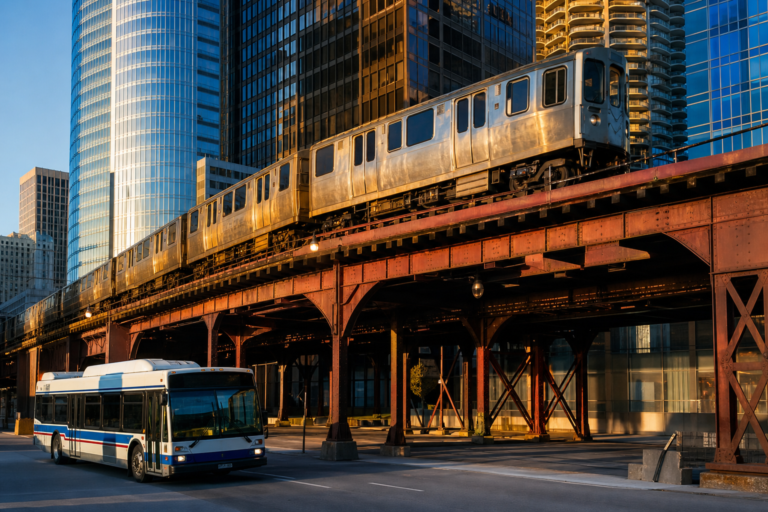
A CTA elevated train curving above a street as a bus passes below

The CTA's one-row-per-day boarding ledger, read whole: 11,061,239,838 boardings across 2001-2025, a 2,049,519-ride day on July 3, 2008, a 110,047-ride Sunday in May 2020, a 2012 peak year and a 2021 trough - and a recovery the bus is carrying, with the bus share of boardings up from 52.1 percent in 2019 to 59.9 percent so far in 2026. Boardings are rides, not people; the CTA is a separate agency; dates are printed without events attributed.

7 Things Under Chicago, by the Record: Raised Streets, a Freight-Tunnel Flood — and Tunnels 300 Feet Down

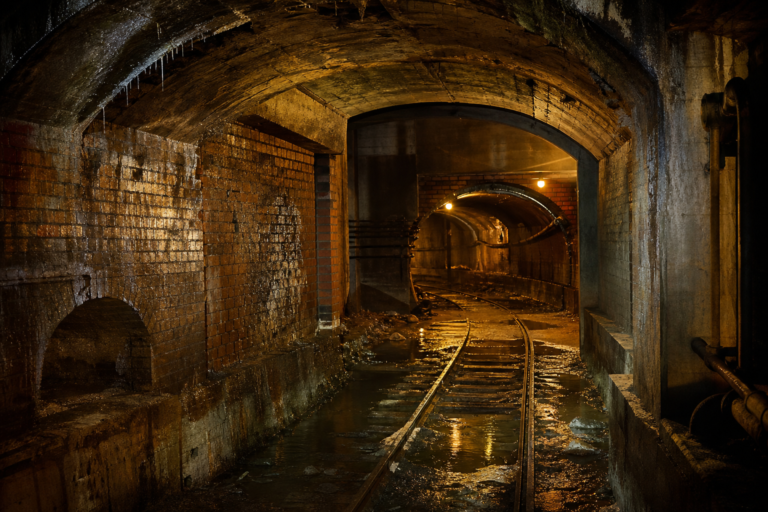
An old underground freight tunnel with rail tracks receding into darkness

Seven things under Chicago, each traced to a named record: streets raised four to five feet on average in the 1850s, buildings lifted one owner at a time, a forgotten freight-tunnel network that flooded the Loop with 250 million gallons of river water in 1992, a Pedway linking more than 40 blocks, a separate government's 110 miles of tunnels up to 300 feet down, and the 811 file that logs what diggers hit. Every quote verified against its source; every figure of ours labeled.

Chicago’s Rideshare Roster: 86,195 Driver Records in June 2026, Little More Than Half Its 2017 Peak — and a Third of Them Recorded Zero Trips

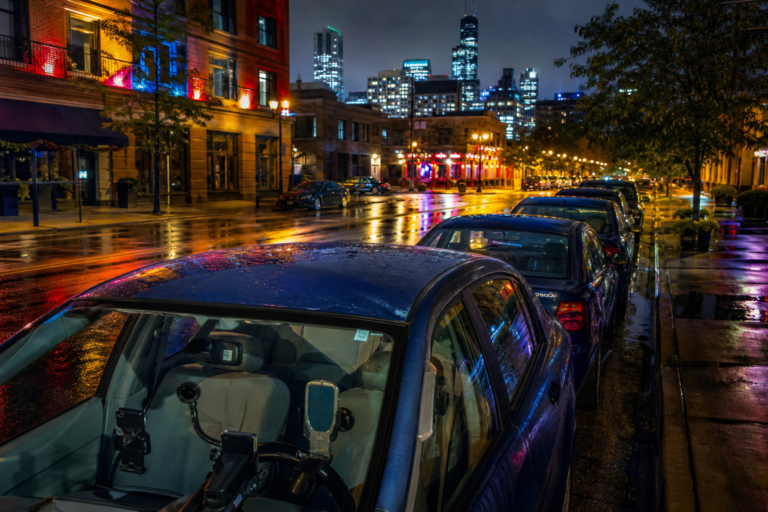
Parked sedans on a wet Chicago street at night

The companies must report their eligible drivers to the city monthly, and the register runs 12,014,008 driver-month rows since 2015. June 2026: 86,195 driver records - 6.5 per active chauffeur license, and little more than half the March 2017 peak of 154,619. A third recorded zero trips, 29.5 percent drive for more than one company, 57.9 percent started within a year, 40.9 percent list Chicago addresses, and every row reads Independent Contractor. The file has no name column.

Chicago’s Chauffeur Register Holds More Expired Licenses Than Active Ones — 13,758 to 13,274 — and Its Oldest Active License Record Was Issued in 1965

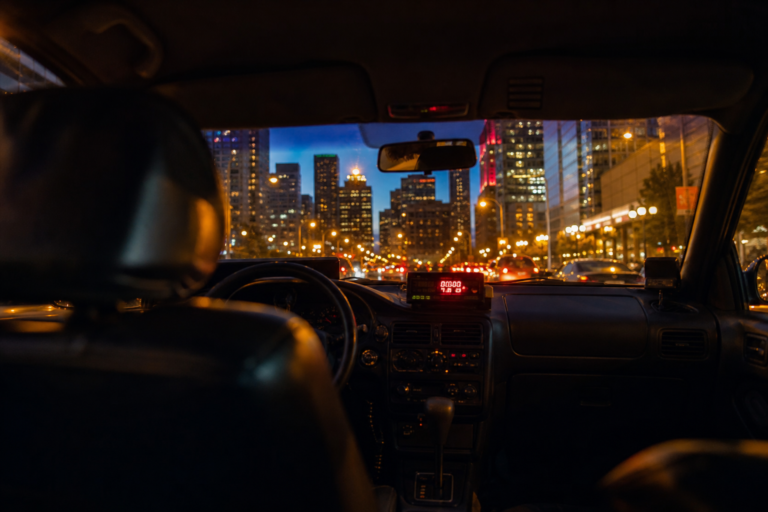
The empty driver's seat of a parked Chicago taxi at dusk

Behind every licensed Chicago cab is a second license: the person's. The Public Chauffeurs register holds 29,935 license records - 13,274 ACTIVE, 13,758 EXPIRED, 941 DENIED - with the oldest active record issued in 1965, 44 percent of active licenses minted since 2022, half of active records listing addresses outside Chicago, 149 active pedicab chauffeurs, and 161 horse-drawn rows the file still remembers. The name and sex columns were never selected.

The Park District’s Event File Is Three Calendars in One: 96,765 Permit Rows, 40,553 Administrative Reservations, 5,048 Venue Rentals — and 13 Rows Marked Denied Since 2012

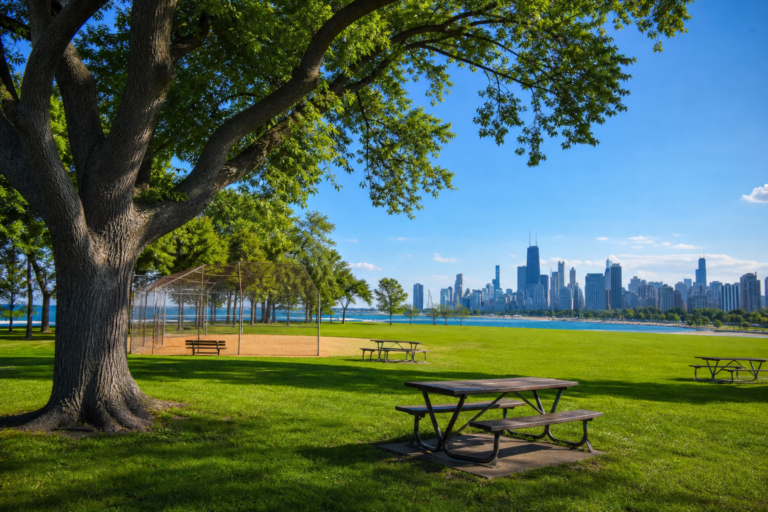
A Chicago lakefront park lawn with picnic tables on a summer morning

The Chicago Park District - a separate government from the city - keeps a reservation ledger of 142,366 rows, 2012 into future-dated 2026 bookings. Read by its own labels it is three calendars: 96,765 permit rows (98 percent marked Approved; 13 denial-labeled rows in fifteen years), 40,553 administrative reservations, and 5,048 venue rentals, 1,867 of them weddings. Athletic training is one permit row in three, and the most-reserved space in the file is a greenhouse. No applicant name was queried.

In Chicago’s Big-Building Energy File, 769 Buildings Wear Four Stars and 564 Wear Zero — and 542 Didn’t File for 2023

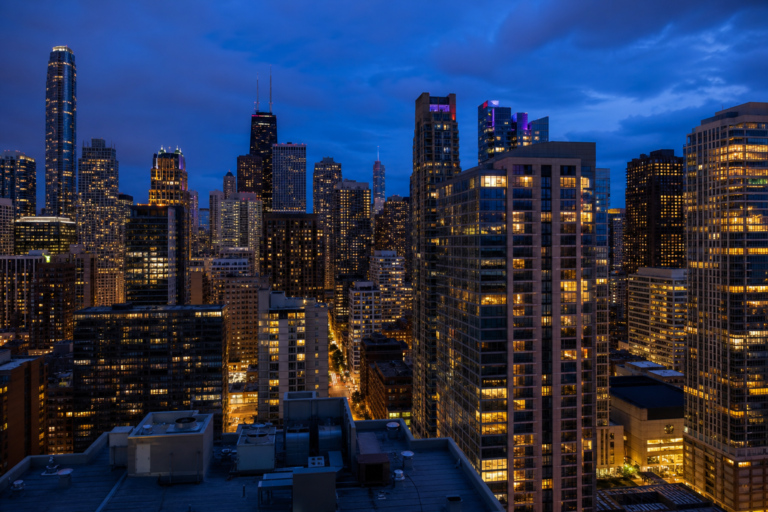
Chicago high-rise windows lit unevenly at dusk

The city's energy-benchmarking file is a report card on 3,852 big buildings, one row per building per reporting year. In the 2023 vintage: 769 buildings wear the 4-star placard and 564 wear zero; 2,584 filed and 542 did not; the average K-12 school scores 25.3 points below the average office; one building records a perfect 100; and the filers sum to 637 million square feet and 4.59 million tons of reported greenhouse gas. The file's last portal update: February 5, 2025.

In June 2026, a Chicago Taxi Mile Cost $4.17 and a Rideshare Mile $4.21 — and the Fare Dollar Split Opposite Ways

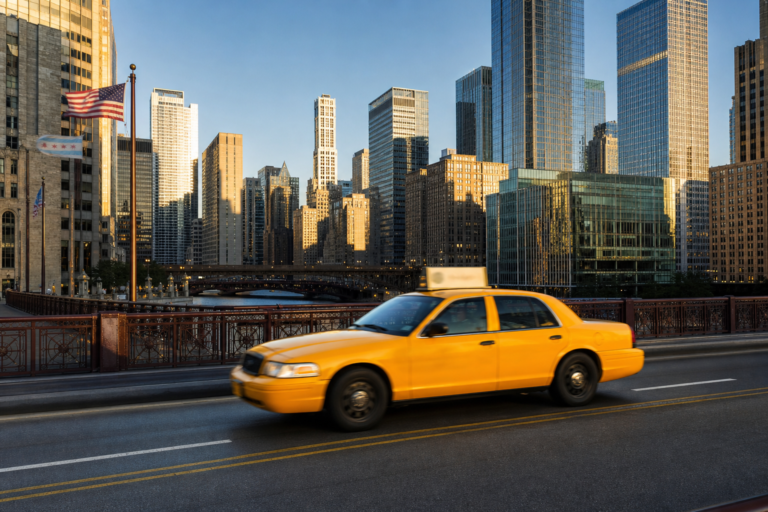
A Chicago taxi crossing a downtown river bridge in late-afternoon light

In June 2026 a mile in a Chicago taxi cost $4.17 and a mile in a rideshare $4.21 - 3.4 cents apart, computed from the city's own trip files by the identical formula. The money splits opposite ways: 81 cents of the taxi dollar is metered fare; 60 cents of the rideshare dollar is fare and almost 35 is the additional-charges line. Plus: the taxi mile is up 9.3 percent since 2024, two airport-area community areas supply a fifth of pickups, about 2,900 cabs are working, and cash tips all but never reach the file.

Chicago’s 2026 Budget Carries 27,924 Annual Positions. The Employee File Runs 1,546 Below It at the Police Department Alone — and the Top Budgeted Salary Belongs to the Aviation Commissioner.

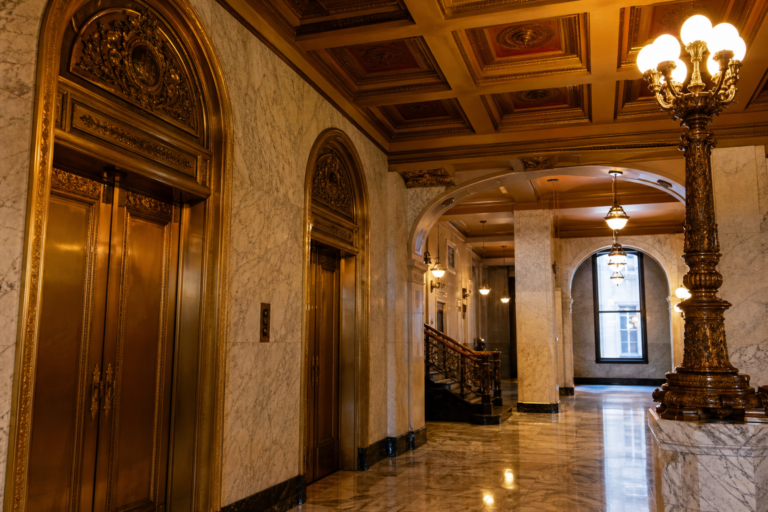
The marble lobby and brass elevator doors of a grand Chicago municipal building

The mayor's 2026 budget proposal carries 27,924 annual positions - plus 3.2 million budgeted hours and 794 budgeted months this page never adds to them. Beside the August employee file: police budgeted 13,727, on payroll 12,181. Police Officer is 31 percent of every budgeted position; the top budgeted salary is the Aviation Commissioner's $350,000, above the superintendent and the mayor.

Moving HereLiving HereCity in MotionNeighborhoods & Suburbs
About · Editorial Policy · Our Data & Methods · Privacy · Terms · Contact
© 2026 Keep Chicagoland Moving · A TAK Marketing, LLC publication · Part of the fabulous Omnishun information systems