Category Moving Here

Guides for anyone relocating to Chicago or its suburbs: what homes cost, how buying works here, and the practical questions every move raises. Researched from local data and sources, and updated as the answers change.

Chicago’s January–April Median Sale Prices Are 18 to 29 Percent Above 2023’s and New-Construction Permits Hit a Five-Year High. The Sales Rise We Printed in July Did Not Hold.

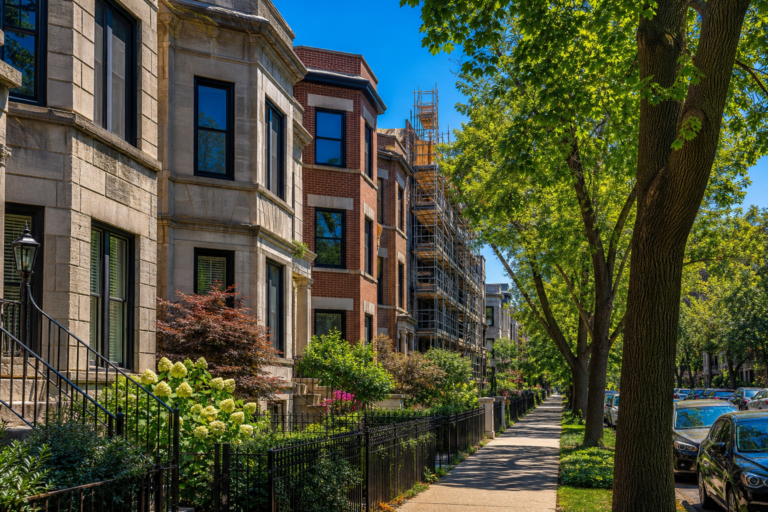
A Chicago street of two-flats and greystones with a new building under construction mid-block

Chicago’s deed and permit records for January through April 2026: median prices 18 to 29 percent above the same months of 2023, the low of the last five years, in all three types of home, and new-construction permits at a five-year high. In July we printed a 22 percent rise in sales; after the county added 1,914 sales to 2025, the same comparison reads 6 percent down. Both readings are shown, next to the national figures and the margins printed beside them. Corrected September 30, 2026.

At Least 1,532 Chicago Homes Sold for $100,000 or Less in 2025. Lenders Wrote 289 Mortgages That Size.

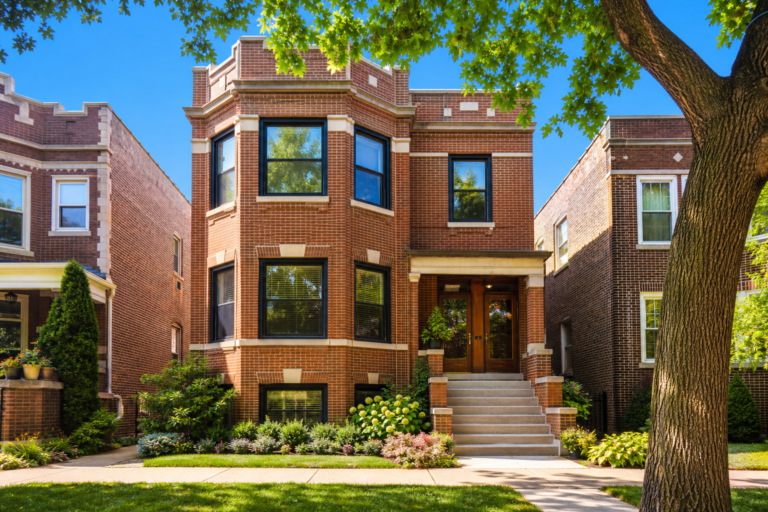
A well-kept Chicago brick bungalow with a sunlit porch under a clear blue sky

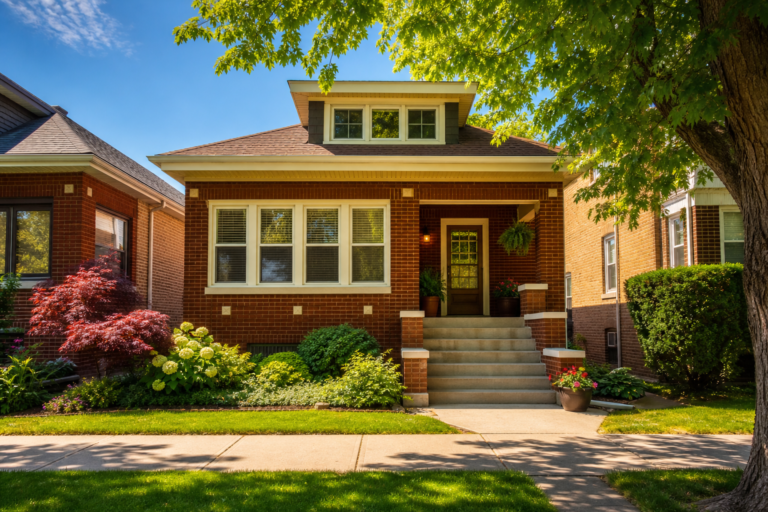
We put the federal mortgage record next to Cook County’s deed record for 2025. At least 1,532 homes sold at or under $100,000; lenders wrote 289 purchase mortgages that size in the whole city. In West Englewood, 124 such homes sold and four small purchase mortgages were written. Corrected September 30, 2026: the first count was incomplete and included parking spaces.

The New Federal Housing Law: Four Provisions That Reach Chicago, Measured Against Our Records

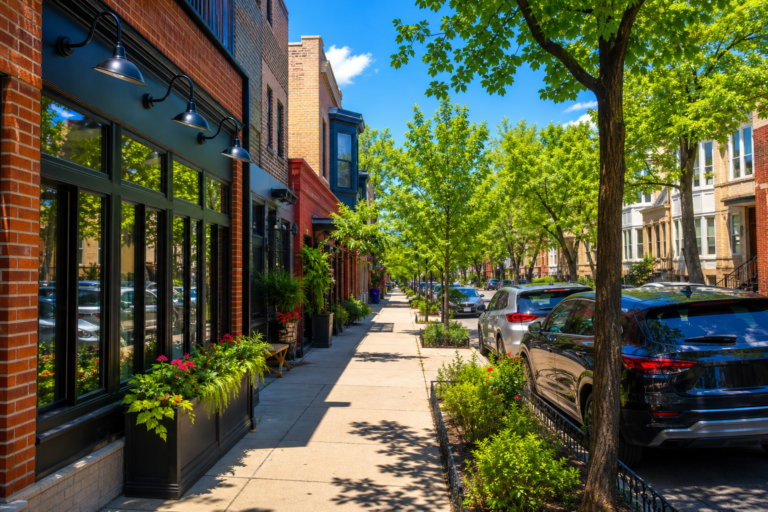
A sunny Chicago block of brick bungalows and two-flats under a clear blue sky

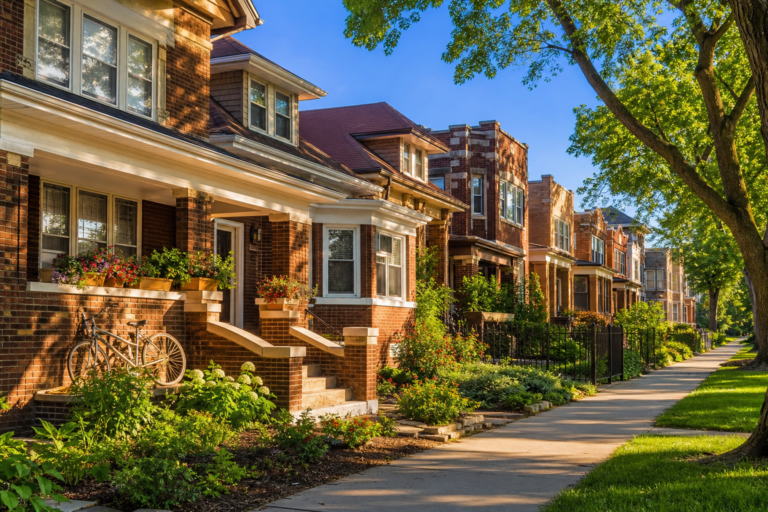
The 21st Century ROAD to Housing Act (Public Law 119-101) became law on July 11, 2026 without the president’s signature. We set four parts of it against the county’s deed file, the federal mortgage record, the city’s permit file and its inspection record. The small-mortgage sections match Chicago’s records most closely; the deed record can say little about the investor ban. Corrected September 30, 2026, against the enacted text.

Who Is Buying Chicago? The Buyer’s Name on 245,849 Deeds: Companies Bought 13 Percent of Homes and 46 Percent of Those Resold Within Two Years

A renovated Chicago brick bungalow between two weathered neighbors on a South Side street

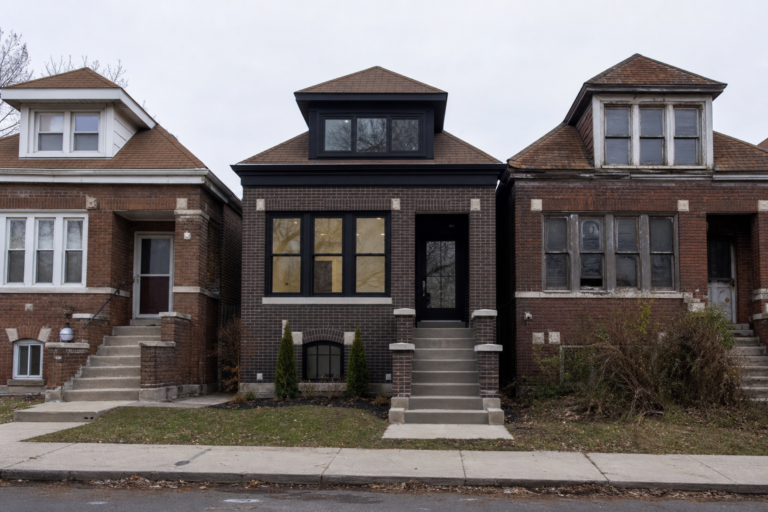
Companies bought 13 percent of the Chicago homes sold from 2018 through 2022 and 46 percent of the ones resold by their buyers within two years. The buyer names on 245,849 recorded sales, sorted: single-building condominium buyouts, house-by-house buyers, a nonprofit receiver and a relocation firm. Recomputed September 30, 2026, with five corrections to the July version.

Chicago’s Tax Rolls Show 7,875 Fewer Two-to-Six-Flats Than in 2006. Of the 13,049 Parcels That Left the Count, 6,208 Are Now Classed as Single-Family Houses.

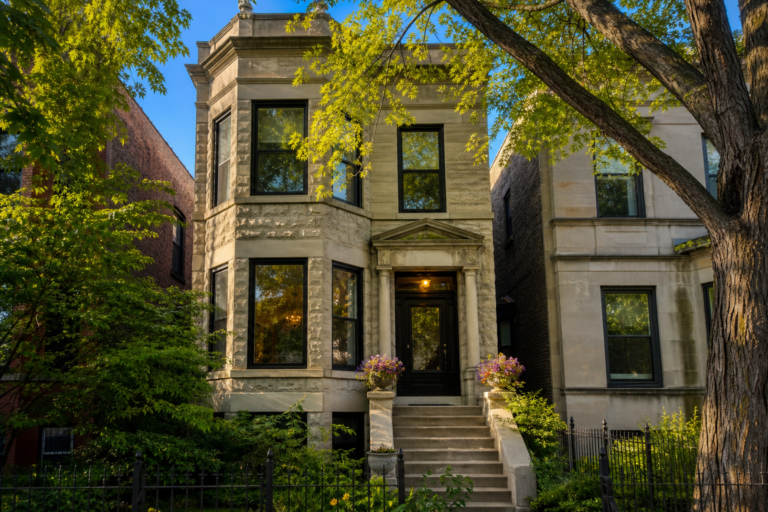
A classic brick Chicago two-flat with bay windows and front stairs in late light

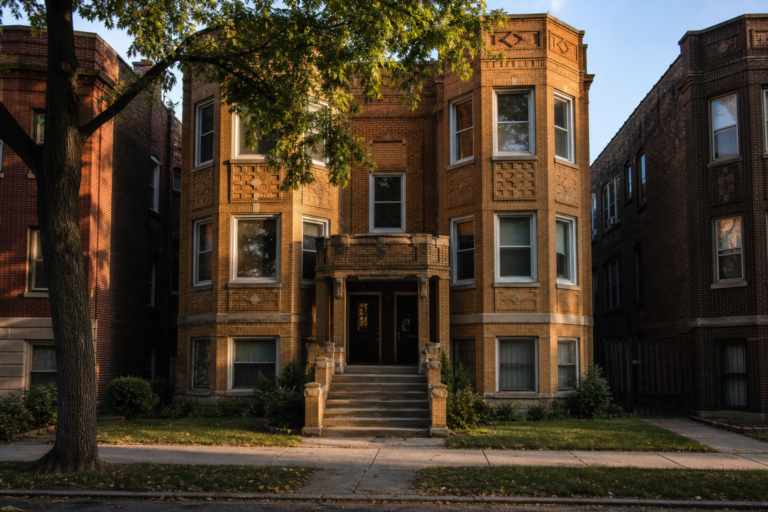
Cook County’s tax rolls show 7,875 fewer two-to-six-flats in Chicago than in 2006. Of the 13,049 parcels that left the count, 6,208 are now classed as single-family houses, 2,729 as vacant land, and 2,084 were retired with condominium units recorded within 12 meters of the same spot. In higher-priced areas most are now houses; in lower-priced areas most are vacant land. Recomputed September 30, 2026, with corrections to the July version.

Moving HereLiving HereCity in MotionNeighborhoods & Suburbs
About · Editorial Policy · Our Data & Methods · Privacy · Terms · Contact
© 2026 Keep Chicagoland Moving · A TAK Marketing, LLC publication · Part of the fabulous Omnishun information systems